CKO Bayonne
How Do You Join Kickboxing Classes as a Beginner?
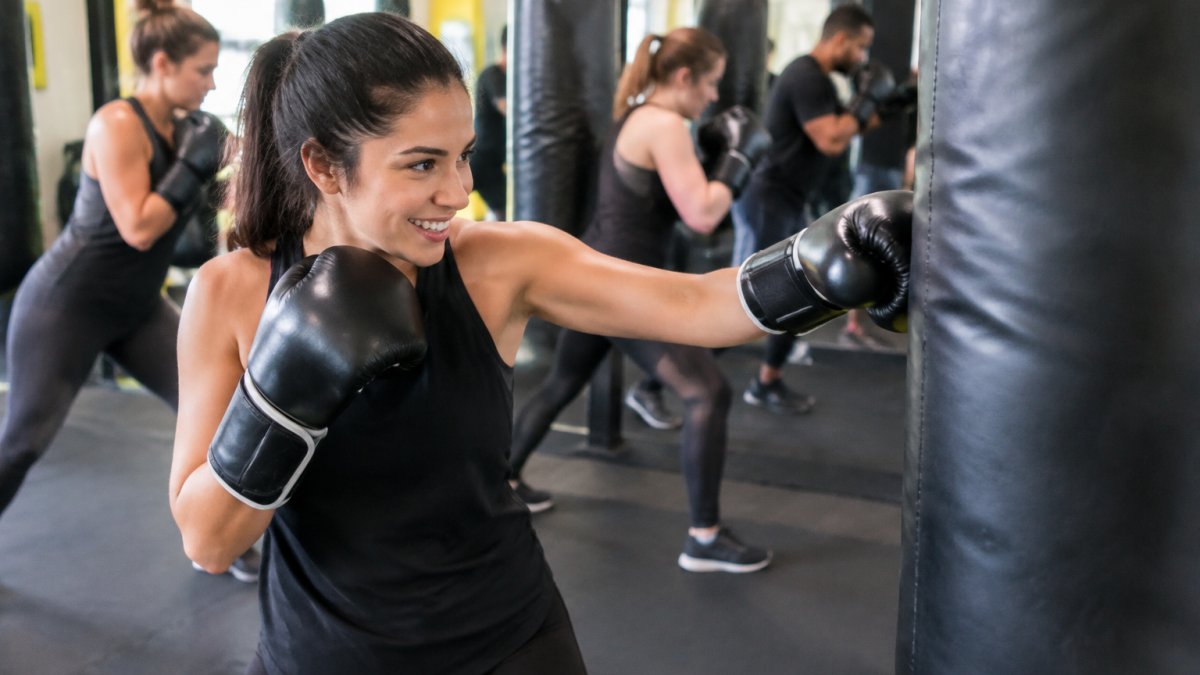
Last Updated: November 5, 2026
Quick Summary
To join kickboxing classes, pick a beginner-friendly studio, book a trial session, and sign up only after you've tried a class. Ask about class size, equipment, and contract terms before committing, then set one simple goal for your first month.
- Fitness-focused classes blend boxing and kickboxing moves with cardio and strength work.
- A typical kickboxing session runs about 45 minutes, starting with a warm-up.
- Bring workout clothes, athletic shoes, hand wraps, a water bottle, and a towel.
- Buy gloves only after you've committed to a few classes.
- Ask for contract and cancellation terms in writing before you sign.
Table of Contents
- How to Join Kickboxing Classes for Beginners, Step by Step
- What to Expect at Your First Kickboxing Class
- What to Bring to Kickboxing Class (and What You Can Skip)
- Kickboxing Class Cost: What Affects the Price and What to Ask
- Questions to Ask a Gym Before You Sign Up
- Safety, Contact Levels, and Going at Your Own Pace
- Book Your Free Class at CKO Kickboxing
- Frequently Asked Questions
How to Join Kickboxing Classes for Beginners, Step by Step
Joining a kickboxing class starts with one decision: pick a beginner-friendly studio, book a trial, and show up. That's it. The rest is momentum. This guide from CKO Kickboxing walks you through how to join kickboxing classes without guesswork, from your first search to your first workout.
Here's the good news. You don't need experience, fancy gear, or a certain fitness level to start. You just need a plan. Below, we'll show you exactly how to go from curious to booked in three simple steps.
Step 1: Pick the Right Type of Class
The best class for a beginner is one that teaches fundamentals at a pace you can follow. Kickboxing classes generally fall into two camps: fitness-focused kickboxing and martial-arts-focused training. Fitness classes blend boxing and kickboxing moves with cardio and strength work. Martial arts classes spend more time on technique, forms, and sparring.
Ask yourself what you want:
- Weight loss and stress relief: choose a cardio kickboxing or group fitness class
- Self-defense and technique: look for a martial arts studio with beginner programs
- Low commitment to start: try a community center or a gym with drop-in classes
Check the class schedule for true beginner sessions. A 45-minute class built for all levels is easier to join than an advanced circuit. If you want to see what a class actually looks like before choosing, explore our kickboxing classes or browse group fitness classes to compare formats.
Step 2: Book a Trial and Ask the Right Questions
A trial class is the fastest way to know if a studio fits you. Many studios offer a trial session. Book one before you commit to anything. When you call or sign up online, ask a few pointed questions.
Ask about:
- Class size and how many instructors are on the floor
- Whether the instructor scales moves for beginners
- What equipment the studio provides versus what you bring
- Contract length and cancellation terms
Use our studio locator to find the location nearest you, then book your trial. One visit tells you more than any website.
Step 3: Sign Up and Set Your First Goal
Sign up after your trial, not before. Once you've felt the pace and met an instructor, you'll know if it's a fit. Then set one clear goal for your first month. Keep it simple.
Good first-month goals:
- Attend two classes per week
- Learn the basic stance and three punches
- Finish a full class without stopping
Don't chase big results in week one. Consistency beats intensity for beginners. Show up, follow the warm-up, and let your fitness build.
Here is the three-step path from curious to booked, plus what to ask along the way.
| Step | What to do | Key detail |
|---|---|---|
| Step 1 | Pick the right type of class | Fitness-focused or martial-arts-focused; check for beginner sessions |
| Step 2 | Book a trial and ask questions | Ask about class size, scaling, equipment, contract terms |
| Step 3 | Sign up and set your first goal | Sign up after your trial, not before |
| First-month goal | Attend two classes per week | Consistency beats intensity for beginners |
| First-month goal | Learn basic stance and three punches | Keep goals simple |
| First-month goal | Finish a full class without stopping | Don't chase big results in week one |
What to Expect at Your First Kickboxing Class
Your first class follows a predictable arc: warm-up, technique drills, conditioning, and cool-down. Expect to sweat and to feel a little clumsy. That's normal, and everyone in the room started exactly where you are.
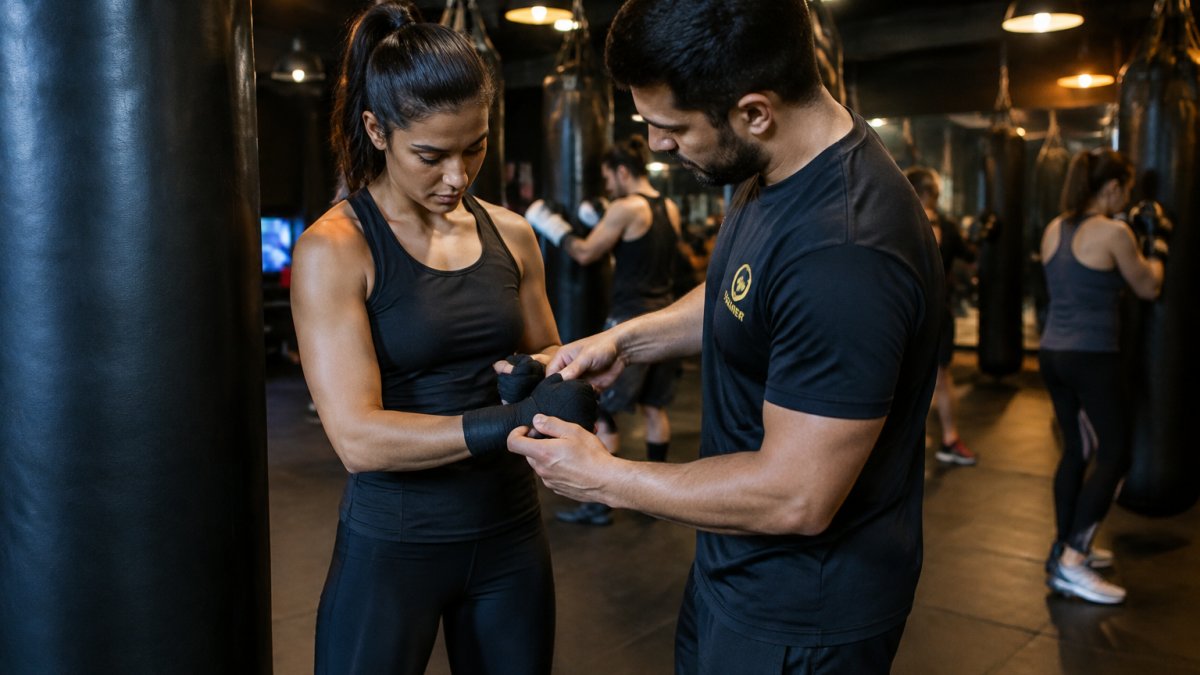
A typical session runs about 45 minutes. The instructor demonstrates each move, then you practice on a heavy bag or with a partner. You'll learn basic techniques like the stance, footwork, punches, and kicks. Most studios keep contact light in beginner classes, so you're hitting bags, not people.
Nervous about keeping up? A common mistake is hanging back and copying others instead of asking for help. Tell your instructor you're new. Good coaches watch beginners closely and offer simpler versions of each move.
What to Bring to Kickboxing Class (and What You Can Skip)
Bring comfortable workout clothes, a water bottle, and a towel. That's the short answer. Equipment policies vary by studio, so ask what is supplied before your first visit.
Pack these:
- Workout clothes you can move in
- Athletic shoes with good support
- Hand wraps for wrist and knuckle support
- A water bottle and small towel
You can skip the expensive gear at first. Buy gloves only after you've committed to a few classes. Many gyms lend equipment for trial sessions, so ask before you shop.
Kickboxing Class Cost: What Affects the Price and What to Ask
Class cost depends on your location, the studio, and how you pay. Drop-in classes, class packs, and monthly memberships each work differently, and the cheapest headline price is not always the best value. A free trial is the best way to test a studio before you spend.
The three common pricing models:
- Drop-in (pay-per-class): You pay for a single session with no commitment. This is the most flexible option and the easiest way to sample several studios, but the per-class price is usually the highest.
- Class packs: You prepay for a set number of classes, often at a lower per-class rate than drop-in. Packs usually expire after a set period, so buy only as many as you will realistically use.
- Monthly membership: You pay a recurring fee for unlimited or a set number of classes per month. This is usually the lowest per-class cost for regular attendees, but it comes with a contract and cancellation terms you need to read carefully.
What affects the price:
- Membership versus pay-per-class, and how often you plan to attend
- Contract length and cancellation or freeze terms
- Whether equipment (gloves, wraps) is included or rented
- Add-ons such as private training, nutrition coaching, or retail gear
- Studio location and class format (fitness-focused versus martial-arts-focused)
Equipment costs to budget for:
Equipment policies vary by studio, so ask what is supplied for trial classes. Ask whether the studio sells gear on-site or has a preferred brand, and do not buy gloves until you have committed to a few classes.
Ask three things before you sign:
- The total monthly cost, including any sign-up or processing fees.
- The exact cancellation policy, notice period, exit fees, and whether you can freeze the membership.
- Whether the trial converts automatically into a paid membership unless you cancel.
Watch out: long contracts with steep exit fees are the most common source of complaints, ask for the terms in writing and read the cancellation clause before you sign. For current pricing, check the studio's website directly, since rates vary by location and change over time.
Questions to Ask a Gym Before You Sign Up
Ask about instructor experience, class structure, and contract terms before you commit. A few minutes of questions now saves months of regret later.
Bring this checklist to your trial:
- Are instructors certified, and how long have they coached beginners?
- How many students per class, and how many coaches on the floor?
- Can I go at my own pace, or is the class competitive?
- What's the total cost, including fees?
- What are the cancellation and freeze terms?
- Do you offer a free trial or a single-class option?
If a gym dodges these questions, treat that as your answer.
Safety, Contact Levels, and Going at Your Own Pace
Safety comes first in any good class. Kickboxing classes are generally structured around bag work rather than partner contact for beginners. Ask your instructor how contact is handled and tell them about any injuries or limits before class starts.
To protect yourself:
- Warm up fully before throwing kicks
- Learn proper form before adding speed or power
- Stop if you feel sharp pain, dizziness, or shortness of breath
You set the pace. You can modify moves and rest when you need to. Curious whether real members felt welcome as beginners? Read our member stories to hear it in their own words.
Book Your Free Class at CKO Kickboxing
Now you know how to join kickboxing classes: pick a format, book a trial, ask the right questions, and start at your own pace. The hardest part is the first step. The rest gets easier every week.
At CKO Kickboxing, you'll train on real heavy bags, move to energizing music, and go at your own pace. Want to know who we are first? Read our story, then come hit a bag with us.
Frequently Asked Questions
Do I need to be fit before I join kickboxing classes?
No. Beginner classes are built for people starting from zero, and you set the pace on the bag. Regular kickboxing training generally builds conditioning over time. Start with two classes a week, keep the intensity moderate for the first month, and add rounds as you feel stronger.
How much do kickboxing classes cost?
Kickboxing class cost varies by studio, location, and membership type. Most gyms price per class, per month, or per package, and many offer a free or discounted trial class so you can try before committing. Ask about the total monthly cost, any sign-up fee, cancellation terms, and whether gloves and wraps are included. Check CKO Kickboxing's website for current pricing and free class details.
What should I bring to my first kickboxing class?
Bring water, a towel, and comfortable workout clothes you can move in. Ask ahead whether gloves and wraps are provided for trial classes. Wear supportive athletic shoes unless the studio trains barefoot. Skip jewelry and loose items, and arrive 10 to 15 minutes early so you can meet the instructor and get set up.
Can I start kickboxing as a complete beginner?
Yes. Beginner-friendly classes teach stance, footwork, punches, and kicks in simple progressions, and instructors show modifications for every fitness level. Tell the coach it is your first class so they can pair you with a spot near the front and check your form. You do not need prior martial arts experience, and you can go at your own pace while you learn the basics.
Ready to swap the boring gym routine for something that actually feels good? At CKO Kickboxing, you get real heavy bags, a motivating community, and energizing music in every session. Move at your own pace while our coaches help you build strength and relieve stress. Get started with CKO Kickboxing and book your free class today.
